What Does a Homeowners Insurance Policy Actually Cover?

Buying a home is one of the largest financial commitments most people make, so protecting it involves more than simply choosing the lowest insurance premium. A homeowners policy can protect the house itself, your belongings, and your financial interests if someone is injured on your property. It can also help with certain expenses when a covered loss makes the home temporarily unlivable.
Understanding homeowners insurance coverage is important because policies do not cover every possible problem that can happen to a home. The details can vary by insurer and policy, but knowing the major types of protection makes it easier to compare policies and recognize where additional coverage may be needed.
Your home is only one part of the policy
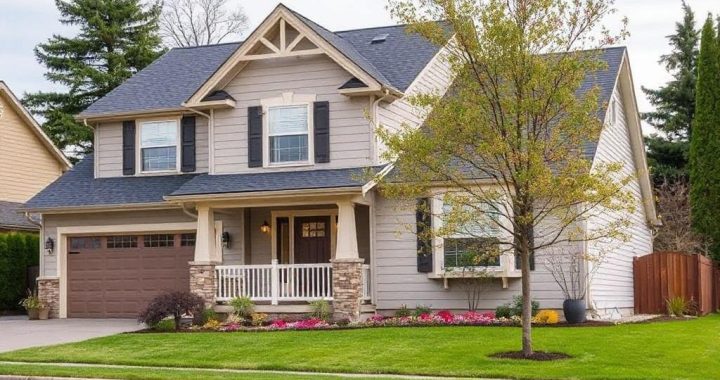
The dwelling is the physical structure of the house, including elements such as walls, roof, attached structures, floors, and built-in systems. Dwelling coverage is generally intended to help repair or rebuild the insured structure after a covered loss.
The amount of dwelling coverage should not simply be based on what you paid for the house. The market price includes factors such as the land and local real estate conditions, while rebuilding costs depend on construction materials, labor, the home’s design, and other factors.
That distinction matters because the cost of rebuilding a home can be very different from its current market value.
Your belongings can have their own coverage
Homeowners insurance can also provide coverage for personal property. This may include furniture, clothing, electronics, appliances, and many other belongings inside the home. Policies can have limits for certain categories of property, particularly valuable items such as jewelry, collectibles, artwork, or specialized equipment. Some items may require additional coverage or a specific endorsement if their value exceeds the standard policy limit.
Keeping an inventory of important belongings can make this part of your coverage much easier to manage. Photographs, receipts, serial numbers, and other records can help establish what you owned if a significant loss occurs.
| Type of protection | What it generally covers |
|---|---|
| Dwelling | The insured home’s physical structure |
| Other structures | Certain detached structures such as garages or sheds |
| Personal property | Covered belongings inside or around the home |
| Personal liability | Certain claims involving injury or property damage |
| Additional living expenses | Certain extra costs when a covered loss makes the home unlivable |
The actual limits, conditions, and exclusions depend on the policy.
Liability coverage protects more than your property
Homeowners insurance is not only about repairing the house. Personal liability coverage can provide protection when you are legally responsible for certain injuries or property damage involving another person. For example, if a visitor is injured in an accident on your property and you are found legally responsible, liability coverage may help address covered medical or legal expenses, subject to the policy terms and limits.
Liability protection can also extend beyond situations involving the physical structure of your home. Because a significant liability claim can create substantial financial exposure, the liability limit deserves as much attention as the amount of coverage protecting the house itself.
Additional living expenses can become important after a major loss
Imagine a fire or another covered event makes your home temporarily unsuitable for living. Even if the physical repairs are covered, you may have additional expenses while the work is being completed. Depending on the policy, additional living expense coverage may help with certain increased costs associated with temporary housing and other necessary expenses.
This part of a homeowners policy is easy to overlook because it does not protect something you can physically see. Its value becomes much clearer when a major loss forces a family out of its home for an extended period.
Not every disaster is automatically covered
One of the biggest misconceptions about homeowners insurance is that it covers anything that damages a house.
Standard policies generally have exclusions and limitations. Flooding is a major example. Flood insurance is generally separate from a standard homeowners policy. Earthquake damage may also require separate coverage, depending on the policy and location. Certain weather-related risks can also be subject to specific provisions, deductibles, or exclusions. This is why simply looking at the list of covered property is not enough. The exclusions and conditions matter too.
Your deductible affects the real cost of a claim
The premium is what you pay to maintain the policy, but the deductible determines how much you generally pay yourself before insurance contributes to a covered loss.
Consider a hypothetical $300,000 home with a $1,000 deductible. If a covered loss produces $25,000 in eligible damage, the homeowner would generally be responsible for the first $1,000, with the policy addressing the remaining covered amount according to its terms. Some policies can have different deductibles for different risks. In certain areas, specific weather-related losses can involve percentage-based deductibles rather than a standard dollar amount.
That makes it important to understand not just the annual premium, but also what you could realistically afford after a major loss.
Review your coverage when your home changes
Homeowners insurance should not be treated as a set-it-and-forget-it purchase. Renovations, additions, new appliances, expensive purchases, changes in household circumstances, and rising construction costs can all affect whether your existing coverage remains appropriate. A periodic review can also help identify items that may need additional protection.
The best homeowners insurance policy is not necessarily the one with the lowest premium. It is the policy that provides appropriate protection for the home, belongings, liability exposure, and other risks that matter to the homeowner. Before comparing prices, understand what each policy actually covers. Once the coverage is clear, the premium becomes a much more useful number for deciding which option makes sense.

Author: Guiscard
The QuoteQuick Editorial Team publishes insurance guides, resources, and industry insights designed to help consumers and businesses better understand their insurance options and make more informed decisions.